IN-HOME HIV TEST KIT

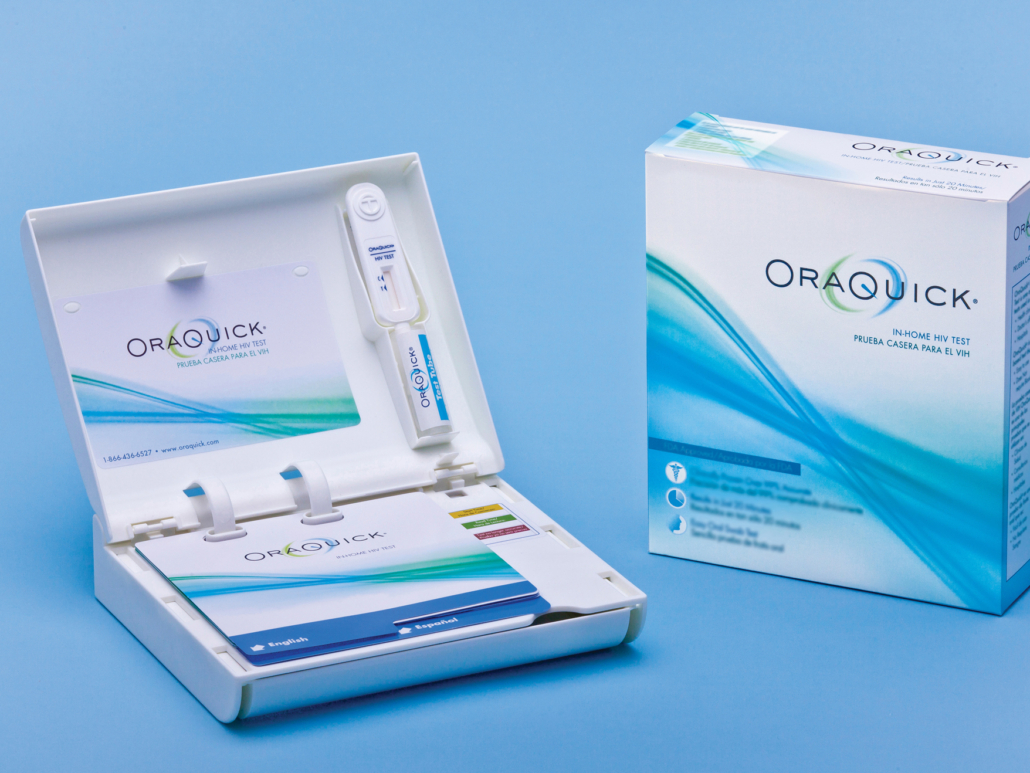
OraQuick In-Home HIV Test Kit

The OraQuick® In-Home HIV Test is the first and only oral fluid rapid over‑the‑counter HIV test approved in the U.S. It can detect antibodies to both HIV‑1 and HIV‑2 with an oral swab, providing a confidential in‑home testing option with results in as little as 20 minutes.

The OraQuick In-Home HIV Test kit is part of The Full Package. The Full Package includes:

  • In-Home HIV Test Kit
  • 10 Condoms
  • Lube
  • Additional information on HIV/STI prevention, HIV medical care, and resources.

IT’S AS SIMPLE AS

Testing Swab in Mouth Icon

Collect

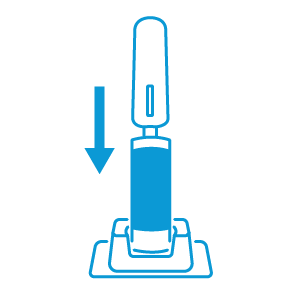
Inserting Swab in Test Kit Icon

Insert

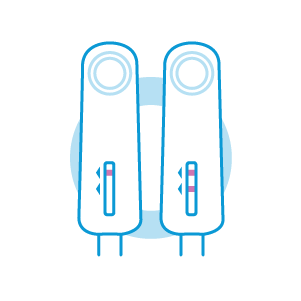
Test Results Icon

Read

WHO SHOULD TEST FOR HIV

You should get an HIV test if you can answer ‘yes’ to any of the following:

  • Has it been more than 1 year since your last HIV test?
  • Are you a man who has had sex with another man within the last three months?

Have you…

  • Had more than one sex partner since your last HIV test?
  • Had vaginal or anal sex with a partner who is living with HIV?
  • Injected drugs and shared needles, syringes, or other drug injection equipment with others?
  • Exchanged sex for drugs or money?
  • Been diagnosed with or treated for another sexually transmitted infection?
  • Been diagnosed with or treated for hepatitis or tuberculosis?
  • Had sex with someone whose sexual history you don’t know?
  • Had sex with someone who could answer yes to any of the above questions?

You should continue to get tested at least once a year if any of the above apply to you. If you are sexually active, you may benefit from testing every 3 to 6 months.

Source: https://www.cdc.gov/hiv/clinicians/materials/pdf/cdc-hiv-together-brochure-nomatterwhoyouare-patient.pdf

HOW TO TAKE THE TEST

ENGLISH

EN ESPAÑOL

READING THE TEST RESULTS

Reading the test results is easy. The information below from OraQuick will explain how to tell when a test is positive or negative. When using the test, please refer to all the package inserts from OraQuick, including the warnings and precautions.

Negative Test

OraQuick Negative Test Results

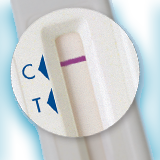
If there’s one line next to the “C” and no line next to the “T”, your result is negative.

Negative Result Explanation

If your result is negative and if it has been at least 3 months since you have had a risk event and you have followed the directions carefully, then you likely do not have HIV.

If your test result is negative and you engage in activities that put you at risk for HIV, you should test regularly.

The most important thing to keep in mind is that HIV is preventable. Understanding how you can avoid getting HIV is important to protect yourself and your partner(s).

Source: https://oraquick.com/testing-and-understanding-results

Positive Test
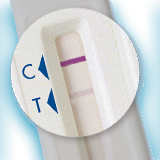
OraQuick Positive Test Results

If there are two complete lines, one next to the “C” and any line next to the “T”—even a faint line—you may have HIV.

Positive Result Explanation

If your result is positive, there are a couple of important things you should do next.
A clinic or healthcare professional must confirm your test result.
There are also some things that you should know about HIV that may ease some of the stress or confusion that you may be feeling:

  • You are not alone
  • Medical treatments are available to help people live long, healthy, lives
  • Having HIV does not mean that you have or will get AIDS

With new treatments, many people who are HIV-positive continue to live long and active lives. They are also able to have normal relationships with HIV-negative individuals without the risk of infecting them with the virus. Ongoing research is finding better ways to treat HIV nearly every day. The key is to identify the infection as early as possible before irreparable damage is done.

Source: https://oraquick.com/testing-and-understanding-results

WARNINGS & PRECAUTIONS

A positive result with this test does not mean that you are definitely infected with HIV, but rather that additional testing should be done in a medical setting.

A negative result with this test does not mean that you are definitely not infected with HIV, particularly when exposure may have been within the previous 3 months.

If your test is negative and you engage in activities that put you at risk for HIV on a regular basis, you should test regularly.

This product should not be used to make decisions on behavior that may put you at increased risk for HIV.

The Centers for Disease Control and Prevention (CDC) recommends being tested at least once a year if you do things that can result in HIV infection. These include:

  • Sex (vaginal, oral, or anal) with multiple sex partners
  • Sex with someone who is HIV positive or who’s HIV status you don’t know
  • Sex between a man and another man
  • Using illegal injected drugs or steroids
  • Shared needles or syringes
  • Exchanged sex for money
  • Having been diagnosed or treated for hepatitis, tuberculosis or a sexually transmitted disease like syphilis.

Visit https://www.hiv.gov/hiv-basics/hiv-testing/learn-about-hiv-testing/who-should-get-tested for more information.

Source: https://oraquick.com/testing-and-understanding-results